Getting NYC Event Permits Is a Mess. They Want City Hall to Cut the Red Tape.

Getting NYC Event Permits Is a Mess. They Want City Hall to Cut the Red Tape.

By Jose Martinez

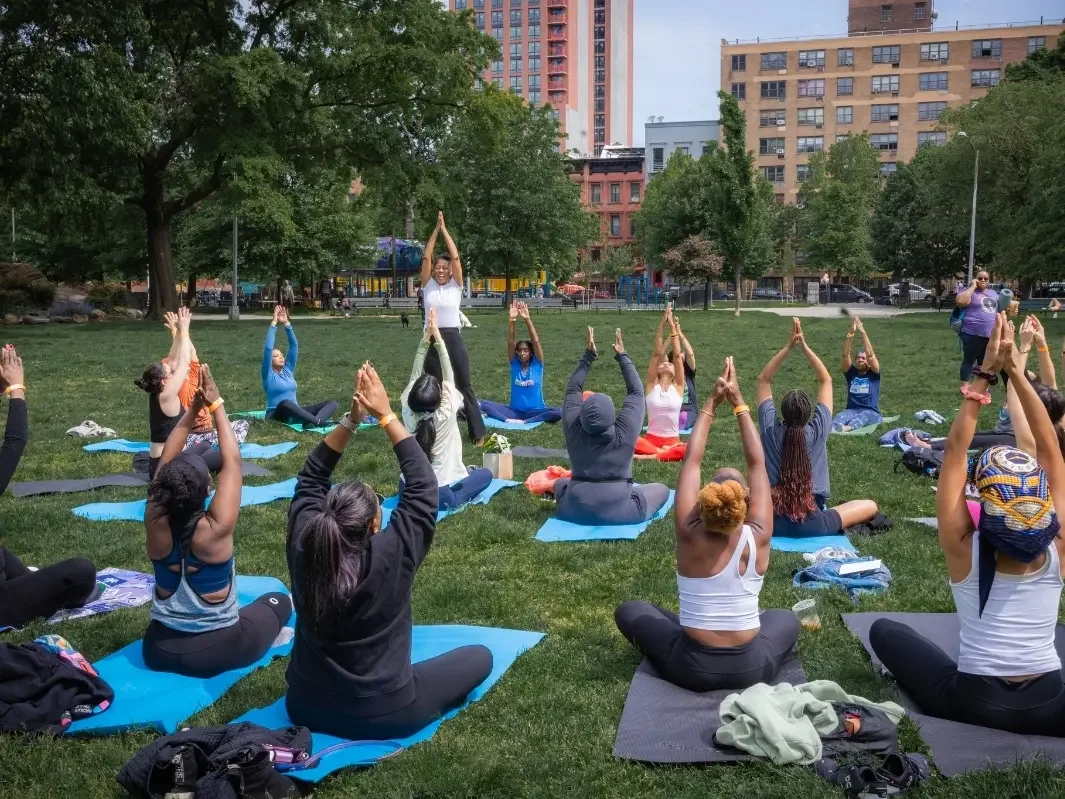
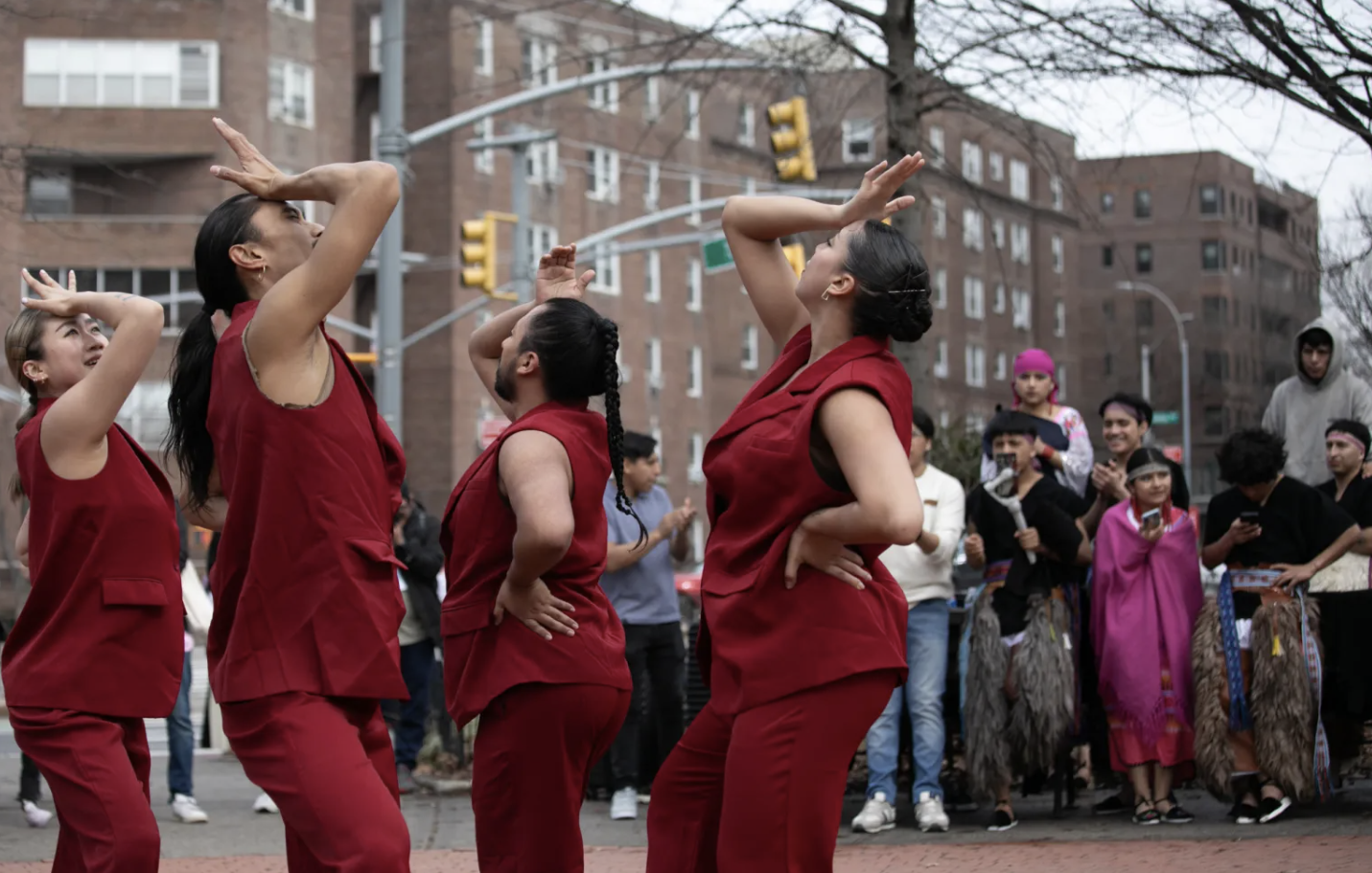
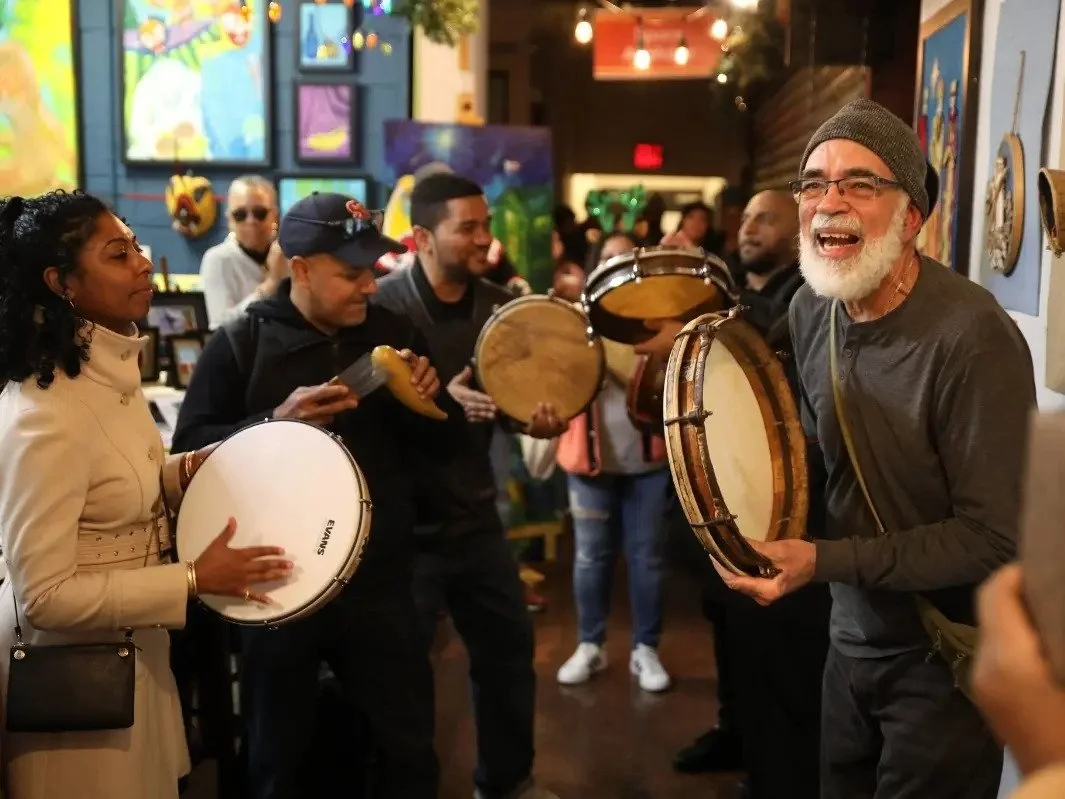
Thousands of groups put on events in public space every year, but navigating the system system is “a maze,” said one East Harlem organizer.

Carey King, the director of Uptown Grand Central — a nonprofit that organizes street clean-ups, performances and festivals along East 125th Street — said she regularly gets calls for help from “confused” East Harlem residents and shopkeepers who want to make use of public space.

“It’s so dependent on what you’re applying for, what boxes you click, who your assigned rep is, if it’s on a street or in a park — it’s definitely a maze, it’s like a gamble,” she said. “I’m always like, ‘Send in the application’ and then they’re, like, saying a prayer that they did it the right way.”

King said that a clearer and more uniform permitting process could clear obstacles. She described it as complicated enough that some people who want to put on a block party instead throw up their hands — or “just open up the hydrant and put the chairs out in the street.”

“We want people to put together the block parties for their street,” she said. “And so we need to incentivize getting people out there.”

Burger Week Brings $15 Specials To Uptown Restaurants

Burger Week Brings $15 Specials To Uptown Restaurants

PATCH

By Miranda Levingston

Fifteen eateries across upper Manhattan will roll out limited-time burgers for a weeklong foodie event.

HARLEM, NY — Burger lovers in upper Manhattan are about to have a very busy week.

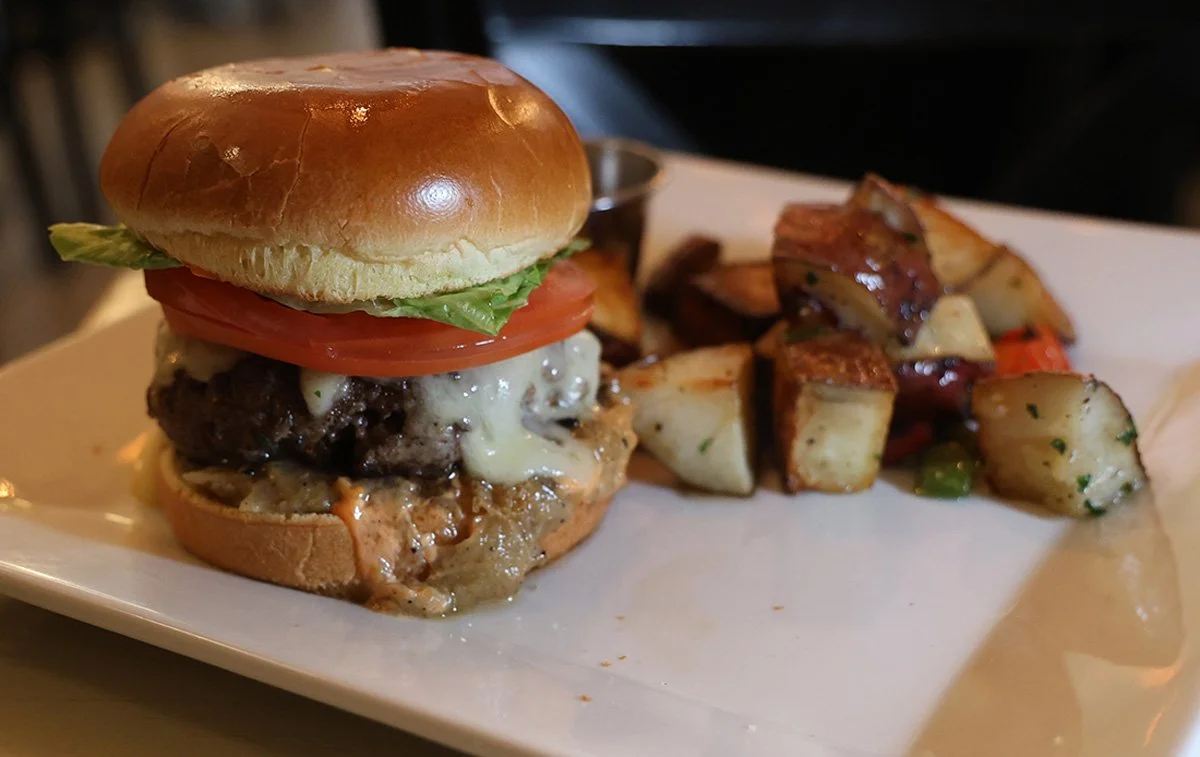
The first-ever Uptown Burger Week kicks off Sunday, bringing a lineup of limited-time burger creations to restaurants across Harlem and surrounding neighborhoods.

From March 8 through March 14, 15 eateries will serve exclusive off-menu burger-and-side combos priced at $15 or less.

The weeklong food event aims to spotlight uptown restaurants while keeping meals affordable at a time when dining out prices continue to climb.

Harlem Night Market To Take Over All Corners Of La Marqueta This December

Harlem Night Market To Take Over All Corners Of La Marqueta This December

PATCH

By Miranda Levingston

The popular Uptown market returns with 50 local vendors, DJs, live art, free activities and more.

EAST HARLEM, NY — The Harlem Night Market is back this December, bringing holiday shopping, food, music and family-friendly fun to all corners of the historic La Marqueta.

Now in its seventh year, the market will run the first three Saturdays of December from 3 p.m. to 7 p.m., stretching across La Marqueta’s indoor market at 115th Street and outdoor spaces on 112th and 111th streets under the Park Avenue Viaduct.

Organizers say about 50 uptown-based vendors will fill the stalls with food, gifts, art and handmade goods representing Harlem, El Barrio and the Bronx.

SNAP Shutdown Pause and New Work Rules: What You Need to Know

SNAP Shutdown Pause and New Work Rules: What You Need to Know

THE CITY

By Lauren Hartley

The USDA has announced there will be no benefits issued as of Nov. 1. It’s a somewhat delayed effect. Even though the federal government shutdown started on Oct. 1, benefits had already been approved for that month, so Nov. 1 is the first day recipients will start to feel the loss.

Not everyone will feel the loss on the first of the month. SNAP benefits are administered through scattered issuance — meaning they’re sprinkled throughout the month, mostly between the first and the 15th, to prevent grocery stores from becoming overwhelmed with SNAP customers. Each day the government shut down continues, more people will lose their benefits.

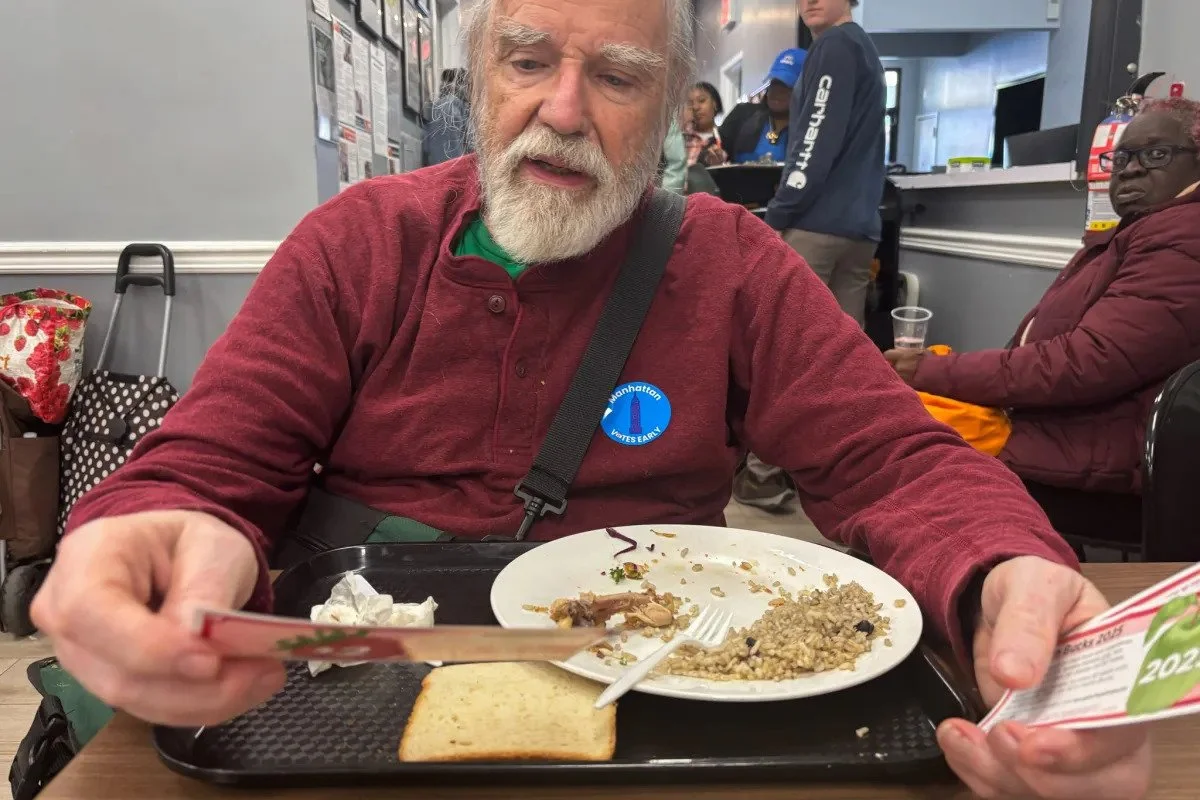
Dennis O’Neil, a retired postal worker who survives on Social Security and SNAP, is trying to stretch his benefits, given the impending shutdown. A Harlem resident, he likes shopping at the Uptown Grand Central Farmstand because for every $2 of SNAP benefits spent, customers get $2 coupons for fresh produce, up to $10 each day.

“I was stressed out for a while before I figured out how to get on top of this,” O’Neil said. “I’m poor. You got to think more about what and when and how you’re going to eat than you normally would.”

East Harlem leaders want MTA to repurpose train station abandoned in 1800s

East Harlem leaders want MTA to repurpose train station abandoned in 1800s

GOTHAMIST / WNYC

By Ramsey Khalifeh

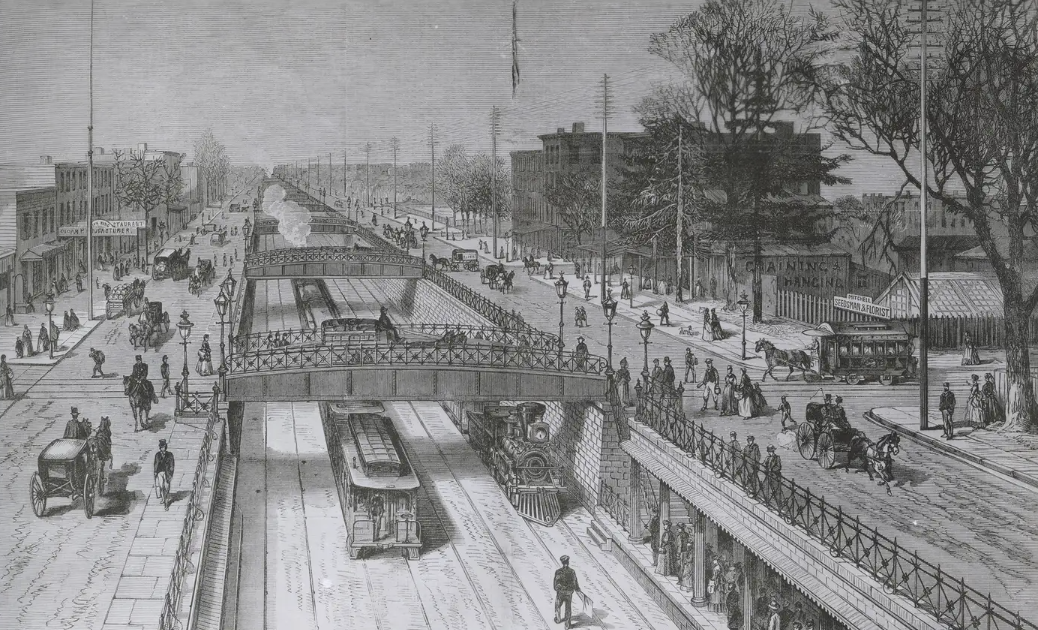
East Harlem leaders and community advocates are calling for a passageway between the neighborhood’s incoming Second Avenue subway extension and its Metro-North stop by repurposing a long abandoned railroad station, but MTA leaders said they have no plans to move forward with the idea.

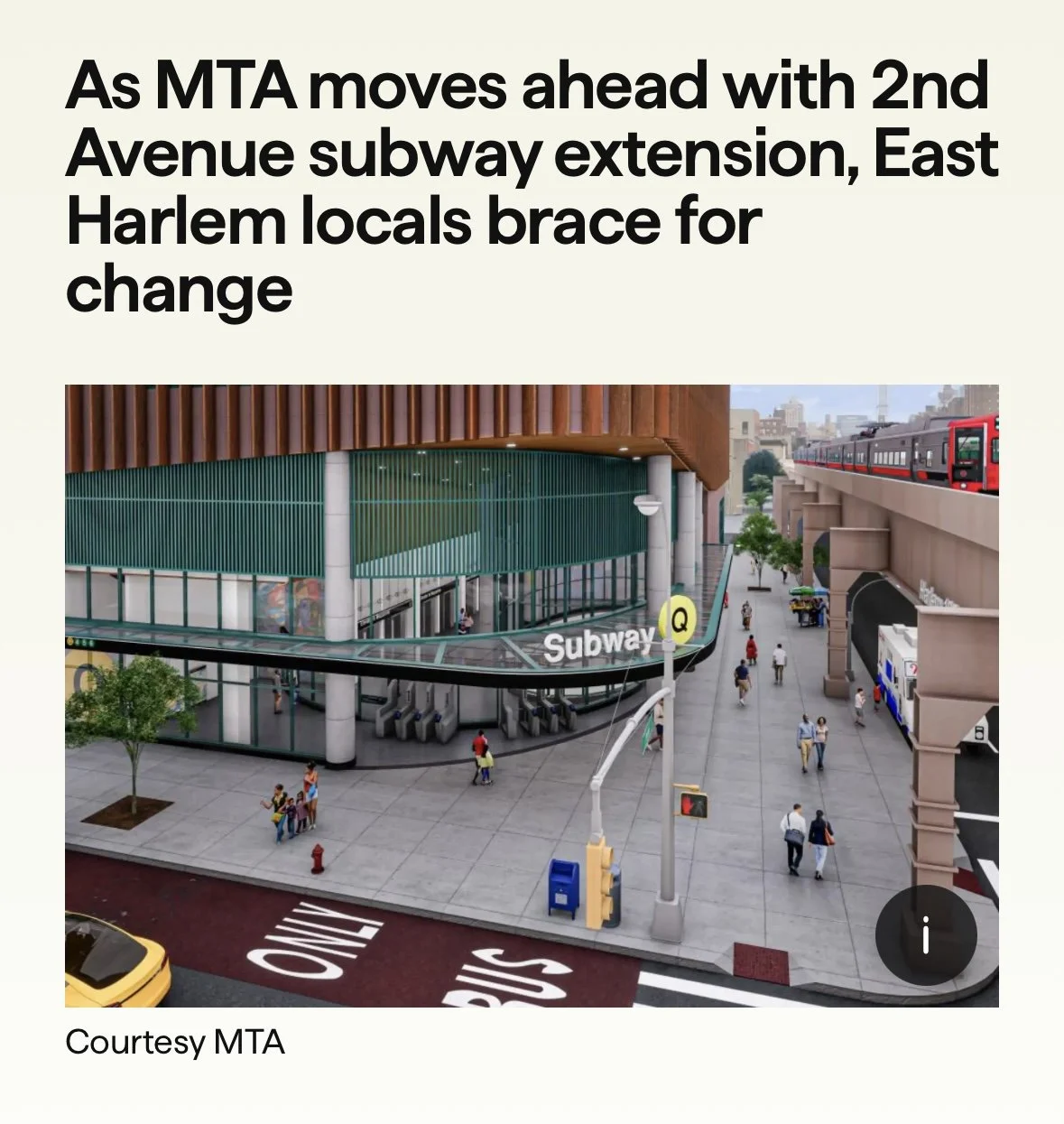
The agency already plans to build an expanded subway station at 125th Street and Park Avenue as part of its project to bring the Q line into East Harlem, and last month inked a contract to begin tunneling. Early renderings from the agency show the overhauled subway station will connect the new segment of the Q line to the 4, 5 and 6 lines under a shiny glass building. But under the MTA’s current plan, riders would have to go outside to get between the commuter railroad station and the subways.

Elected officials and local community groups have for years called for an “uptown Grand Central” that houses both subways and Metro-North trains under a single roof like the one in Midtown. They said the MTA could accomplish that by building out a forgotten 19th century station beneath the lobby of the existing Metro-North station.

“We want it to be a transportation hub, like an uptown Grand Central hub that will connect straphangers and riders to Metro-North, to express bus service, to LaGuardia Airport, to future water transportation both in the Harlem River as well as the Hudson River,” said Rep. Adriano Espaillat, who represents the neighborhood. "We'll leave that up to the MTA and see whether it meets budget goals.”

Artists transform East Harlem with vibrant murals

Artists transform East Harlem with vibrant murals

PIX 11

By Cory McGinnis

EAST HARLEM, Manhattan — Artists are bringing new life and healing to East Harlem through vibrant murals and community art events.

Saturday, over 30 artists gathered at 125th Street and Lexington Avenue to paint murals as part of a beautification project led by Uptown Grand Central, a nonprofit dedicated to uplifting the neighborhood.

Among the artists was Fallou Wadje, a painter and fashion designer from Senegal who now lives in Harlem. She has been involved in several mural projects in the community, finding inspiration in her personal growth and her grandfather’s faith. “My self-development is my success right now, who I am, who I built myself to be today,” Wadje shared. Another mural she worked on, not far from 125th Street, carries the heartfelt message, “Allah is love,” reflecting both her cultural roots and spiritual beliefs.

Wadje emphasized the importance of love during challenging times. She also noted that 90 local children participated in the mural painting, highlighting the community-driven spirit of the project.

In addition to her mural work, Wadje is currently showcasing her new exhibit, “Woman and Society,” aimed at bringing the Harlem community together through creativity. She describes the exhibit as a space where people can relax, connect, and experience art freely, based on love. “The event is meant to bring the community together, using creativity to help people relax, feel connected, and experience art based on love,” Wadje explained.

Looking around at the murals and fellow artists painting on the same streets where she first started, Wadje expressed hope that art can be a source of healing. “We need to heal our people. Through the art, just standing here and looking at the colors, the colors heal. I’m African, I know about color. Look at this, this is beauty, a sense of joy,” she said.

As MTA moves ahead with 2nd Avenue subway extension, East Harlem locals brace for change

As MTA moves ahead with 2nd Avenue subway extension, East Harlem locals brace for change

GOTHAMIST / WNYC

By Ramsey Khalifeh

Big changes are in store for East Harlem as the MTA ramps up work on the long-awaited extension of the Second Avenue subway.

The $7.7 billion project is scheduled to open in 2032, adding three new stations to the Q line. Two of them will be beneath Second Avenue at East 106th and 116th streets. A third would be an overhaul to the existing 125th Street-Lexington Avenue station, which would reshape a transit hub that sees more violent crime than any other in the city.

The MTA is currently working to finalize a contract to dig the tunnel for the extension. It represents a major step towards the completion of not just a transit line that’s been promised for roughly a century, but also a move that will change the face of one of Manhattan’s poorest areas.

Interviews by Gothamist found that for many locals, the project is a once-in-a-generation chance to make their neighborhood safer and more accessible. For others, it brings the risk of gentrification that could price them out of East Harlem altogether.

“I mean, look at the neighborhood. It needs a facelift to bring more attraction here,” said East Harlem resident Bobby Jones, 42, remarking on the conditions around the 125th Street-Lexington Avenue station. “Because if people see graffiti and all this stuff like this, drugs and needles on the ground, [they] ain’t gonna want to come around here.”

The Second Avenue subway extension will bring a new port of entry for transit riders in East Harlem.

The area around the station has long been notorious for open drug use, according to interviews with nearby residents.

Since 2021, it’s also been home to a controversial safe injection site. The neighborhood has a series of methadone clinics highly concentrated along a few blocks and ranks as one of the highest areas for psychiatric hospitalizations, according to city health data.

“I avoid this station, I’d say probably after 9 p.m.,” said Neil Tetkowski, 69, who has lived in East Harlem for 20 years.

Though the work won’t be finished for at least another seven years, signs of change are already visible in East Harlem. Several lots along East 125th Street have been razed in recent years to make way for the overhauled station at Lexington Avenue.

“East Harlem residents have waited decades for improved transit access and with the support from Governor Hochul, the MTA is moving full steam ahead on the Second Avenue Subway Phase 2, which will be a gamechanger for the local community,” MTA spokesperson Eugene Resnick wrote in a statement. “We’re ready to implement best practices learned from Phase 1 [on the Upper East Side] to complete the work better, faster and cheaper, as the line will provide new transit connections, shortened commute times, affordable housing, jobs and improved quality of life.”

A vacant lot at the corner of 125th Street and Park Avenue, which will one day house an expanded 125th Street subway station.

MTA documents show the agency plans to use eminent domain to seize at least 15 buildings — many of them residential — in East Harlem to complete the extension.

Efforts are already underway by local cultural centers, businesses and longtime residents to ensure they’re not priced out by the changes brought by the new line when it inevitably transforms their neighborhood. Mayor Eric Adams last month said he plans to sign legislation to establish East Harlem’s first-ever business improvement district, or BID, which community leaders hope will allow them to hold more sway over the area’s future.

“They deserve a commercial corridor that is safe and clean,” Adams said during a news conference. “One that is free of quality of life concerns like overflowing, trash, excessive noise, substance use and more that have persisted for far too long. These issues have kept customers, foot traffic and tourists away from enjoying the beautiful area on 125th Street. It is impacting the economic development of the area.”

Carey King, who’s behind the push to create the business improvement district, said the designation would create a dedicated funding stream from city government directly to East Harlem.

King leads Uptown Grand Central, a community nonprofit that cleans up trash on the streets and paints murals on construction fences in the area.

“The big, beautiful, global vision would be that … our streets can be clean and that our public art can shine and that people really wanna stop and spend time here,” King said. “A lot of times, people just keep their heads down when they pass through here.”

Rachel Weinberger, transportation chair of the Regional Plan Association, said bringing a new train line into a neighborhood is a “real ‘Catch 22’ situation about transportation infrastructure and the potential for gentrification.”

“There’s a concern that there’s insufficient access provided to the population that’s living near now, the current population and the trick is how to provide access without creating displacement,” Weinberger said. “ On the other hand, when you have an area that's under-resourced … it means that you don’t have the amenities that people in the neighborhood want and need. And so sometimes, a transportation investment can help bring some of those things.”

Advocates are also gunning to preserve some of East Harlem's cultural institutions, like the Caribbean Cultural Center and the home of the poet Langston Hughes on East 127th Street.

“There needs to be more intention and equal distribution of funds of organizations and individuals and projects that actually reflect the community that has been here the longest,” said Sabine Blaizin, Director of Programs at the Caribbean Cultural Center, which sits right across the street from the Lexington Avenue subway station. “And the fear is a lot of this erasure.”
Making art in Harlem to revive store gate murals

Making art in Harlem to revive store gate murals

PIX 11

By Greg Mocker

We can call it work but this is fun. Creating and transforming the store gates that get pulled down. Uptown Grand Central is a project that follows in the legacy of Franco the Great, the famous artist who painted gates along 125th Street starting in the late 1960s. Organizers also refresh artwork from past gate initiatives, including The 100 Gates Project. 

East Harlem Set To Get Busy As Mayor Eric Adams Signs Legislation For New Business Improvement District

East Harlem Set To Get Busy As Mayor Eric Adams Signs Legislation For New Business Improvement District

BLACK ENTERPRISE

By Sharelle B. McNair

With more than 85 commercial tenants already included, Adams says this is a way to continue seeing businesses thrive in a community with such legacy.

New York City Mayor Eric Adams signed legislation that will bring a new advocacy organization to the Harlem community and give businesses the opportunity to grow.

Standing in front of Sisters Caribbean Cuisine, Adams signed the necessary paperwork to create the East Harlem 125th Street Business Improvement District (BID) to advocate and coordinate with the community’s businesses and organizations.

With more than 85 commercial tenants already included, Adams, who is running for reelection, says this is a way to continue seeing businesses thrive in a community with such a legacy. “From its parks and playgrounds to its storefronts and small businesses, East Harlem is a place of rich history, extraordinary culture, and incredible food. Families, businesses, and residents deserve an East Harlem that is safe, clean, and thriving — and that is what this BID is all about,” Adams said.

“But we’re not only bolstering businesses here in East Harlem; we’re doing it all across our city. We cut red tape, invested in working people, and helped shatter the record for the most jobs and small businesses in city history. We’re focused every day on creating good-paying jobs and making sure that East Harlem and all of New York City are the best places to raise a family.”

According to Patch, thoughts for the BID first came about following a unanimous City Council vote in May 2025. By January 2026, the organization will be fully functional with an annual budget of $750,000. With the support of a board vote, the budget could go up to $1 million after three successful years.

Adams’ legislation will also bring sanitation and beautification efforts to East Harlem, which business owners are ecstatic about. Carey King, executive director of Uptown Grand Central, a nonprofit that provides additional sidewalk and street-cleaning services, feels the BID will make a big difference within the new district’s boundaries, consisting of 14 blocks riddled with pollution and crime. “Often, people have negative things to say when they walk through this district, and how chaotic it is, and how it scares people off sometimes,” King said.

“We’re really excited that we’re starting to build consensus and support to be stronger going forward, to make the street a better place.”

The announcement checks off Adams’ “Rebuild, Renew, Reinvent: Blueprint for New York City’s Economic Recovery” plan commitment made during his first mayoral campaign. The East Harlem 125th Street Business Improvement District brings the number of NYC supporting BIDs to 77. The plan was established to create new BIDs throughout the Big Apple and invest directly into targeted neighborhood development.

In addition to the latest established BID, Adams and Small Business Services Commissioner Dynishal Gross announced $4.4 million in new grants from the city will be awarded to some of Harlem’s community organizations and other neighborhoods in efforts to support small businesses, improve public morale, and give a push to nonprofits.

East Harlem To Get $750K To Improve 125th Street Business Corridor

East Harlem To Get $750K To Improve 125th Street Business Corridor

PATCH

By Miranda Levingston

The neighborhood is getting its first Business Improvement District, which will fund street safety and beautification.

EAST HARLEM, NY — There's going to be a new Business Improvement District in Manhattan along East 125th Street to support the small businesses lining the corridor between Fifth Avenue and Second Avenue.

Following a unanimous City Council vote to approve a new Business Improvement District at the end of May, first reported by Crain's New York Business, the vote will now go to the mayor's desk to be signed, before being approved by the New York State Comptroller.

The Business Improvement District will be entirely operational by January 2026, with an annual budget of $750,000. The budget could increase to $1 million after three years with a board vote.

For the uninitiated, a Business Improvement District, known as a BID, is a designated area where property owners are charged a fee that goes toward sanitation and public safety, as well as programs to promote local businesses.